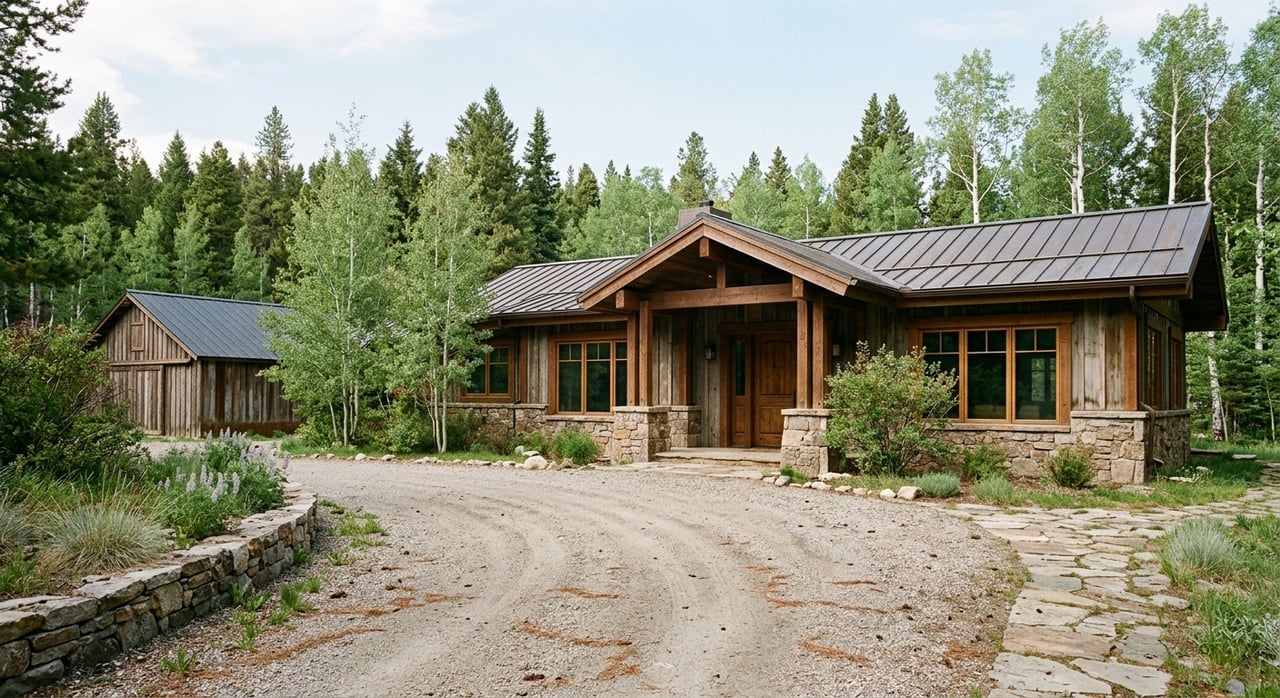
If you picture Wilson as endless ranch land, the reality is a little more nuanced and far more interesting. You may be drawn to the idea of open space, privacy, mountain views, and a property that feels rooted in the West, but in Wilson, that lifestyle depends heavily on where the parcel sits and what the county allows. This guide will help you understand the difference between in-town Wilson and the surrounding Wilson-area acreage, plus what to watch for if ranch-style living is part of your plan. Let’s dive in.
Wilson Living Starts With Location
Wilson has a distinct land-use pattern, and that matters if you are searching for acreage. County planning describes Wilson itself as a compact village with a commercial core, services, transit, recreation, and a town-style development pattern. In practical terms, that means many properties in Wilson proper follow a more traditional lot layout rather than a large-lot ranch setup.
The surrounding area tells a different story. Planning documents describe Wilson as a compact village bordered by agricultural lands on three sides and mountains to the west, which helps explain why the area feels both connected and private. When people talk about acreage living in Wilson, they are often really describing Wilson-area or Wilson-edge properties, not the village lots in the center.
That distinction can shape your entire search. If you want walkability and a village feel, Wilson proper may fit. If you want more land, room for outbuildings, or a classic western estate setting, you will likely need to look at rural parcels on the edge of Wilson instead.
Acreage in Wilson Means Rural Parcels
County regulations make a clear contrast between village lots and rural land. In Wilson proper, planning guidance points to a pattern of roughly 50-by-150-foot lots with one or two dwelling units, usually detached homes or duplex-style buildings. That is very different from the multi-acre image many buyers have in mind.
For larger holdings, the county’s rural zones are more relevant. The R-2 rural character zone generally includes parcels ranging from about 3 to 70 acres and is intended to protect scenery, wildlife habitat, habitat connections, agriculture, and historic western character. The R-1 rural zone uses 35-acre benchmarks in its development options, which gives you a sense of how much larger true ranch or estate-style parcels can be.
For buyers, the key takeaway is simple: not every Wilson address offers the same land-use potential. Before you assume a parcel can support a barn, guest structure, or agricultural use, it is important to review the specific zoning district, subdivision plat, and any building-envelope notes tied to that property.
Ranch-Style Living Has a Real Place Here
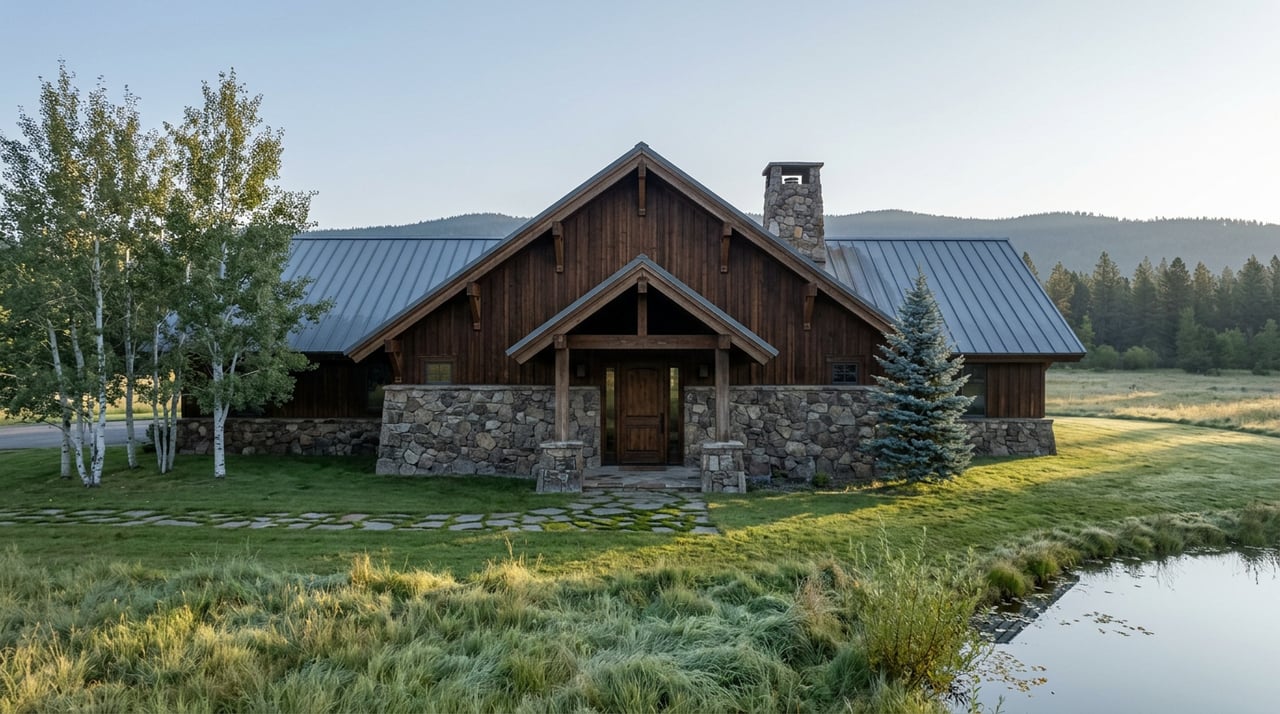
The appeal of ranch-style living around Wilson is not just visual. County standards recognize ranch compounds in irrigated pastures and meadows, and they encourage design that feels consistent with traditional western ranch patterns. That includes clustered layouts, native vegetation, and materials or finishes that fit the broader landscape.
This matters because the county is not treating ranch living as a purely decorative idea. In the right setting, the regulations acknowledge and support a property style tied to agriculture, open land, and western design character. For a buyer seeking a legacy parcel or a more private estate feel, that creates a meaningful framework.
At the same time, ranch-style does not automatically mean unrestricted. The county’s rules are specific, and the details of a given parcel still determine what is possible. A beautiful meadow setting may support a compelling vision, but you still need to confirm the site conditions and development standards before moving forward.
Equestrian Use Depends on Parcel Size
If horses are part of your plan, parcel size becomes especially important. Under county code, a horse stable, riding academy, or equestrian center requires at least 10 acres. Buildings that house animals must also be set back at least 50 feet from property lines unless the adjoining property is owned or occupied by the same operator.
There is also a useful detail for larger rural properties. On parcels of 6 acres or more, an uncovered outdoor riding arena may be exempt from maximum site-development calculations if it meets the county’s size, material, and wildlife-movement standards. Specifically, the arena must be no larger than 160 by 200 feet, made of natural materials, and designed so wildlife can move through when it is not in use.
That means equestrian use may be possible in the Wilson area, but not on every property and not without planning. If your goal includes horses, riding space, or a more functional ranch setup, it helps to start with acreage and code review rather than aesthetics alone.
Hobby Farms Are Possible, But Not Universal
For some buyers, the dream is smaller in scale. You may want a few animals, a garden, a pasture, or a property that supports a hands-on western lifestyle without becoming a full-scale ranch. County use definitions do allow agriculture to include cultivating crops, raising and keeping livestock, boarding animals, and even selling agricultural products on-site.
That said, the county does not treat all ranch-style features the same way. Corrals, outdoor storage, and stockpiles are considered site development, while cultivating soil for agriculture is not. In other words, a hobby-farm vision may be achievable on the right parcel, but it still comes with a regulatory footprint.
This is one reason why two properties with similar acreage can offer very different outcomes. The zoning, overlays, physical site conditions, and plat restrictions all matter. If you are buying for lifestyle first, it is worth confirming whether the parcel actually supports that lifestyle in practice.
Scenic Setting Is Part of the Value
One of the reasons buyers are drawn to Wilson-area acreage is the sense of arrival. County scenic standards identify the Wilson Approach as a county-wide scenic resource, noted for broad open meadows and unobstructed mountain views. That open, expansive setting is a defining part of the area’s identity.
For you as a buyer, this helps explain why certain properties feel so special. The scenery is not just a nice bonus. It is part of the planning context and part of what the county is working to preserve.
That preservation mindset can shape how homes, compounds, landscaping, and site features are designed. It can also be a positive for long-term appeal, especially if your goal is a property that feels private, western, and visually connected to the valley landscape.
Day-to-Day Ownership Requires More Planning
The Wilson lifestyle is very real, but so are the practical details that come with it. If you own rural land in this part of Teton County, you may need to think about wildlife-aware design, utility placement, water sources, and seasonal construction timing much earlier than you would in a more urban setting.
Beginning January 1, 2025, all private land parcels in Teton County and the Town of Jackson fall within the adopted Wildland Urban Interface map. That means WUI review may require ignition-resistant construction and underground utility tanks. For buyers planning a new build or major improvements, those requirements should be part of the conversation from the beginning.
Water and wastewater planning also deserve early attention. The county notes that all water is owned by the State of Wyoming, and water rights may or may not run with the land. Depending on the parcel, water may come from a public supply, a central system, or an individual well, while sewer may require either a public connection or a small wastewater facility.
There is also a seasonal timing issue to keep in mind. New septic systems are generally not installed between November 15 and April 15. If you are building, remodeling, or preparing a rural parcel for use, that winter window can affect your schedule.
Water Features Come With Setbacks
Creeks, wetlands, and river corridors can add beauty and privacy, but they also come with strict limitations. In Teton County, setbacks are 150 feet from rivers, 100 feet from perennial or intermittent streams and natural lakes or ponds, and 50 feet from wetlands.
Those buffer areas must remain in native vegetation and stay free of development, fences, grading, storage, and similar uses. So while a water feature can absolutely enhance the character of a property, it may also reduce the area available for structures or improvements.
If you are comparing parcels, this is a smart place to slow down. Two lots with the same total acreage may have very different usable footprints depending on streams, wetlands, or river setbacks.
Outdoor Access Shapes the Lifestyle
Part of the appeal of Wilson-area living is how easily open land connects to recreation. Teton County maintains the Wilson and South Park boat ramps, and the Snake River corridor from Moose to Hoback supports boating, fishing, riverside recreation, and expansive mountain views.
For many buyers, this mix is the real draw. You are not just buying land. You are buying access to a daily rhythm that can include open space, river time, mountain views, and a quieter setting while still remaining connected to the broader Jackson Hole area.
That blend of privacy and access is part of what makes Wilson-area acreage so compelling. It offers a version of western living that feels both grounded and usable.
What Buyers Should Verify Early
If acreage or ranch-style living is your goal, it helps to get specific early in the process. The most important first step is confirming what the parcel actually allows, rather than relying on assumptions based on appearance or address.
Here are a few items worth reviewing right away:
- Zoning district and permitted uses
- Subdivision plat and building-envelope notes
- Water source and wastewater options
- Any water-rights questions tied to the land
- WUI review requirements for future construction
- Stream, wetland, pond, or river setbacks
- Acreage thresholds for equestrian or agricultural features
For luxury buyers, legacy land buyers, and anyone considering a custom build, this early diligence can save time and sharpen your strategy. It also helps ensure that the property you choose supports the way you actually want to live.
Why Local Guidance Matters in Wilson
Wilson-area acreage can be highly rewarding, but it is rarely a one-size-fits-all search. The right property depends on how you define privacy, whether you want horses or agricultural use, how close you want to be to the village core, and how much planning flexibility you need.
That is where local market knowledge becomes especially valuable. A buyer looking for a scenic estate parcel, a second home with room to spread out, or a true ranch-style setting often benefits from guidance that connects lifestyle goals with zoning realities and site constraints.
If you are exploring acreage, estate parcels, or ranch-style living in Wilson, JH Living can help you evaluate the opportunities with clarity and a local perspective.
FAQs
What does acreage living in Wilson, WY usually mean?
- In most cases, it refers to rural parcels on the edges of Wilson rather than the smaller village lots in Wilson proper.
Are large ranch properties common in Wilson itself?
- Wilson proper is generally planned with a compact town-style pattern, so larger ranch or estate properties are more typically found in the surrounding rural areas.
Can you keep horses on a Wilson-area property?
- Possibly, but county code requires at least 10 acres for a horse stable, riding academy, or equestrian center, and additional setback rules apply to animal buildings.
Is a hobby farm allowed on every Wilson-area parcel?
- No. County definitions allow agricultural uses on the right parcel, but those uses are not universal and depend on zoning, plat notes, and site-specific rules.
What should buyers check before buying acreage in Wilson, WY?
- Buyers should review zoning, subdivision plat notes, building envelopes, water and wastewater options, water-rights questions, WUI requirements, and any stream or wetland setbacks.
Do water features affect what you can build in Wilson-area properties?
- Yes. Teton County requires setbacks from rivers, streams, lakes, ponds, and wetlands, and those buffer areas must remain in native vegetation and free of development.
How does the Wildland Urban Interface affect Wilson acreage?
- Starting January 1, 2025, all private parcels in Teton County are within the adopted WUI map, and review may require ignition-resistant construction and underground utility tanks.
What makes Wilson-area ranch-style living appealing?
- Many buyers value the combination of open meadows, mountain views, privacy, western character, and access to recreation along the Snake River corridor and the broader Jackson Hole area.