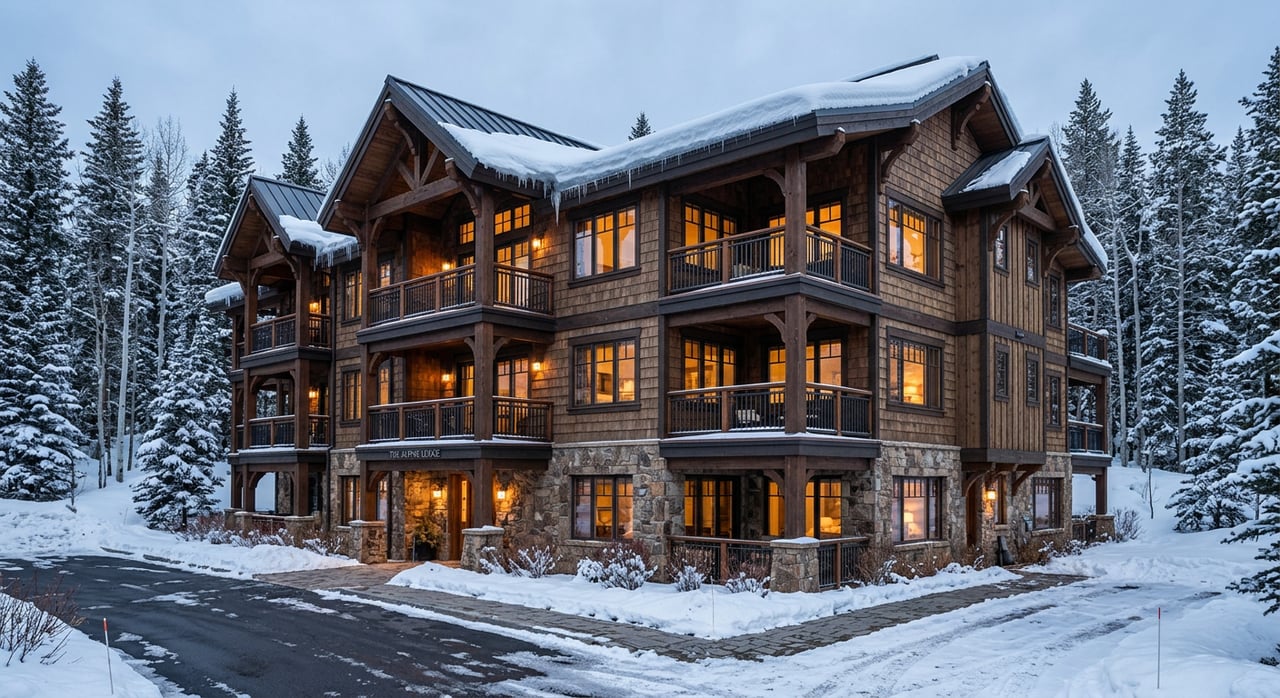
If you love skiing Jackson Hole but only visit for a few weeks a year, you might be wondering how to enjoy slope-side living without paying for a home that sits empty. Fractional ownership in Teton Village can be a smart, service-rich way to lock in your time on the mountain. In this guide, you’ll learn how fractional ownership works here, what it costs, how booking calendars operate, the rules and taxes that apply, and the red flags to avoid. You’ll also get a practical checklist to review with your attorney and CPA. Let’s dive in.
What fractional ownership means
Fractional ownership gives you a real, recorded ownership interest in a residence or residence-club unit along with the right to use it for several weeks each year. It is different from a hotel-style timeshare. Many fractionals in resort settings are deeded interests with HOA membership and real-property rights. For a plain‑language legal primer on deeded versus right-to-use contracts, review this overview from FindLaw on timeshare and vacation ownership structures.
You’ll see a few common formats in Teton Village: deeded undivided interests in a condo or residence-club unit, tenancy-in-common or LLC membership interests that hold title, and occasionally right-to-use licenses. The form matters because deeded interests can be transferable and may appreciate like other real property, while right-to-use interests are contractual and do not convey title. Always verify whether your purchase includes a deed recorded in Teton County records.
Teton Village snapshot
Teton Village, at the base of Jackson Hole Mountain Resort, mixes whole-ownership condos and townhomes with hotel residences and private residence clubs. Fractional options have included branded residence clubs like the Four Seasons Residence Club Jackson Hole and local fractional condo programs such as the Teton Club. Public resale listings for Four Seasons have appeared in 1/7th or 1/14th shares with hotel-level services and priority booking mechanics, often commanding higher prices than local fractional resales. You can review a representative Four Seasons Residence Club resale example for context.
Resale activity in local, non-branded fractional condos has shown smaller fractions trading at much lower dollar amounts than branded residence clubs. This illustrates a two-tier market: high-service, branded clubs priced accordingly, and smaller local resales priced for value and access. Inventory is thin and prices fluctuate, so check current MLS data before making any assumptions.
How calendars work
Fractional programs assign usage in a few ways so you can reserve ski weeks and summer stays:
- Fixed-week. You get the same week each year. It’s simple and predictable.
- Floating-week or seasonal float. You choose weeks within a defined season band, subject to availability.
- Multi-week blocks. Larger shares, such as 1/7th, often come with split allocations across winter, summer, and shoulder seasons. Some Four Seasons listings cite allocations like 14 winter nights, 14 summer nights, plus additional shoulder-season time and “space-available” privileges when units are unbooked. See an illustrative example in this residence-club listing description.
- Points or priority systems. Some clubs allow banking time, exchanging across properties, or using rotating priority positions to request peak holidays.
Reservation rules matter. Ask for the program’s reservation windows, priority rotation or “position” rules for peak weeks, and any owner privilege time. Some resale listings also note a seller’s current priority for upcoming seasons, which can be valuable for high-demand dates. Space-available nights, when offered, are typically manager-approved and not guaranteed. A Four Seasons resale overview illustrates how privileges can work in practice.
Quick compare: usage vs. annual costs
| How usage and booking work | What you pay each year |
|---|---|
| Fixed-week fractional: same week annually, little planning needed. | Typical line items: HOA or operating fees, reserves, property taxes, housekeeping/turnover, and any club dues. |
| 1/7th residence-club share: seasonal night allocations with priority rules, plus possible space-available nights as shown in Four Seasons resale materials. | Similar line items, often higher due to hotel-level services like concierge, ski valet, and on-site staff. |
What it costs to own
Your total cost includes both upfront and ongoing items. Here are the components to understand:
Purchase price. Branded residence-club shares like Four Seasons often price in the mid-six- to low-seven-figure range for larger shares based on past resale examples, while some local fractional resales have traded for tens of thousands for smaller allocations. Always use current MLS data for exact pricing.
Closing and transfer costs. Budget for title, recording, possible association transfer fees, and any program transfer or processing fees.
Annual operating or HOA fees. These cover property management, utilities for common areas, housekeeping, staff, insurance, and reserves. Industry context from ARDA notes that traditional timeshare fees are often in the low thousands per year, while luxury residence clubs commonly carry higher assessments due to full-service operations. See ARDA’s consumer questions to ask for a helpful framework.
Reserves and special assessments. Associations rely on reserve studies to plan for major repairs. Underfunded reserves can lead to special assessments. The Community Associations Institute explains why reserve studies matter in its reserve study guidance.
Taxes. If you rent your weeks, expect state sales and lodging taxes and possible local or resort-district taxes to apply. Public guidance notes a statewide lodging tax in Wyoming and references to a state-administered resort district tax affecting areas like Teton Village. Review the background on Wyoming lodging taxes in Avalara’s statewide lodging tax summary and confirm current rates with the Wyoming Department of Revenue and local offices.
Avoid relying on generic fee averages. Ask for the most recent association budget and three years of financials before you make an offer.
Management and rentals
What you get depends on the property. Branded residence clubs and some managed complexes include concierge, housekeeping and turnover, owner storage, ski valet, and owner-only amenities. These services are typically funded by your annual assessments. For a feel of what’s commonly included at the luxury end, scan a Four Seasons Residence Club overview.
If you plan to rent unused time, ask whether there is an on-site rental program and how the revenue split works. Some programs use a rental pool with a published fee schedule, while third-party managers in resort markets often charge about 15 to 30 percent of gross rental revenue. For context, see this discussion of typical manager fees in a rental management guide. Always request at least two to three years of rental performance history and sample owner statements.
Resale and legal risks
Fractional ownership has a smaller buyer pool than whole ownership. Resales, especially small shares, often trade at discounts to original retail pricing. In the Jackson Hole area, local fractional-condo resales have shown lower price points, while branded residence clubs appear less often and list higher when they do come to market. Marketability varies by program, season position, and service level.
Your transfer can also be shaped by contract clauses. Many programs include a Right of First Refusal or developer approval that can delay or prevent a third-party sale. Get familiar with common resale constraints in this explanation of timeshare and vacation-ownership exit basics. Before closing, order an estoppel letter confirming account status and check for liens. Public notices in the Jackson area have recorded defaults and foreclosure actions tied to fractional interests, a reminder to verify the unit’s standing. Here is a representative public notice example.
Red flags to watch
- No recent reserve study or underfunded reserves.
- ROFR or developer approval that limits resale.
- Frequent fee hikes or pending special assessments.
- Opaque rental reporting or inconsistent rental history.
Local rules and taxes
If you plan to rent your time outside a club’s rental pool, know the local rules. Inside the Town of Jackson, short-term rentals require a business license and a Basic Use Permit, with different rules inside and outside the Lodging Overlay. Review the Town’s short-term rental guidance. In Teton County, most residential areas prohibit short-term rentals, but designated resort areas allow them. Teton Village Areas I and II are among the zones where STRs are permitted. Check your unit’s zoning in the County’s planning FAQs.
Taxes apply to short stays. Wyoming assesses state sales and lodging taxes, and resort-district taxes can apply in Teton Village. Some platforms or hotel programs may collect and remit certain occupancy taxes, but you are responsible for compliance. For background, see Avalara’s summary of the Wyoming lodging tax framework and confirm current rates with the Wyoming Department of Revenue and Teton County.
Is it a fit for you
Fractional ownership tends to suit you if you visit Jackson Hole several times a year, prefer consistent winter and summer access, and value services like concierge, housekeeping, and ski valet. It can reduce the capital outlay and day-to-day responsibilities of full ownership, while keeping you close to the lifts and village amenities.
Be cautious if you want a highly liquid, investment-grade asset or total scheduling flexibility. Booking rules can feel rigid compared to renting ad hoc, and resale markets are thinner than whole-ownership condos. You should also be comfortable with recurring dues and the possibility of special assessments.
Due-diligence checklist
Before you make an offer, gather these documents and review them with a local real-estate attorney and a CPA who understands resort properties:
- Conveyance paperwork showing the legal form of your interest and whether a deed will be recorded in Teton County. Start with this FindLaw primer.
- CC&Rs, Bylaws, and Rules and Regulations for the condo or club. Confirm rental rules, transfer restrictions, and any ROFR.
- Latest annual budget, audited financials, and the reserve study or summary. CAI’s reserve study guidance explains why this matters.
- Board meeting minutes for the past 12 to 36 months. Look for fee increases, litigation, or deferred maintenance.
- Rental program contract and two to three years of rental performance history and owner statements. Compare net-to-owner across options. A practical overview of fee structures appears in this rental management guide.
- Estoppel certificate and title search for liens, defaults, or encumbrances. As a reminder of risk, see a representative public notice example.
- Management agreement and any hotel or residence-club rules that set owner priorities. A Four Seasons overview shows how services and priorities are framed in branded clubs.
- Local zoning and STR compliance steps for your unit’s location. Review the Town’s STR page and the County’s planning FAQs.
- Insurance details for the master policy and any owner coverage requirements or deductibles that could be charged back to owners.
- Financing options. Confirm a lender will finance your specific fractional interest and get pre-approval language tailored to fractionals.
Next steps
If you visit Jackson Hole often, a fractional interest in Teton Village can be a smart way to secure your favorite weeks with hotel-level services. The key is to match the calendar to your lifestyle, confirm true all-in costs, and vet the program’s financials. When you are ready to compare a Four Seasons share with a local fractional or explore whole-ownership condos, reach out. JH Living will guide you through the options, line-item the fees, and coordinate the due diligence so you can focus on time on the mountain.
FAQs
What is the difference between a deeded fractional and a timeshare in Jackson Hole?
- Deeded fractionals convey a real property interest recorded with the county and can be transferred, while right-to-use timeshares are contracts without title; confirm structure in your documents and see this FindLaw overview.
How many weeks come with a 1/7th Four Seasons share?
- Resale materials commonly show allocations such as 14 winter nights, 14 summer nights, plus shoulder-season nights and space-available privileges when unbooked; see an illustrative listing description.
Can you rent your Teton Village fractional weeks?
- Many programs allow owner rentals via an on-site pool or third-party manager, subject to HOA rules and local STR regulations; review the rental contract, performance history, and Town or County requirements in the Jackson STR guide and County FAQs.
What annual fees should you expect with a fractional?
- Budget for HOA or operating assessments, reserves, property taxes, housekeeping, and possibly club dues; luxury residence clubs often have higher dues than traditional timeshares as noted by ARDA’s consumer guidance.
How easy is it to resell a fractional share in Teton Village?
- Liquidity is limited compared to whole ownership, smaller shares can trade at discounts to original retail, and ROFR or approval clauses may affect timing; see this overview of resale and exit factors.