Two medians, thirty-five miles apart. In January 2026, homes in Alpine, Wyoming sold at a median of $1,000,000. In February 2026, the Teton County median for a single-family home sat between roughly $1.8M and $2.2M depending on the data provider, with Wilson and Teton Village ZIPs commanding medians of $3.8M and $4.1M respectively over the trailing year.
A buyer looking at that spread usually reaches for the easy explanations first. Teton County zoning. Grand Teton views. Sotheby's-tier finishes. Those are real, but they aren't the whole answer. The mechanism that actually prices the gap runs through a narrow two-lane road between Hoback Junction and Alpine Junction, and it is the one variable most out-of-market buyers underweight.
The Number Behind the Number
Set the medians side by side and the shape of the discount becomes concrete.
| Market (2026 data) | Median or typical value | Source window |
|---|---|---|
| Alpine, WY — median sold price | $1,000,000 | January 2026 |
| Alpine, WY — average active list | $1.76M–$1.84M | June–July 2026 |
| Star Valley Ranch — median sold | $511,000 (down 11.2% YoY) | Three months ending May 2026 |
| Teton County — median single-family | $1.80M–$2.18M | Feb–Apr 2026 |
| Wilson (83014) — trailing-year median | $3.80M | 12 months to Feb 2026 |
| Teton Village (83025) — trailing-year median | $2.82M–$4.12M | 12 months to Feb 2026 |
Move a buyer from Teton Village to Alpine and the sticker discount is roughly seventy to seventy-five percent. Move them from Wilson to Alpine and it's closer to seventy-four. Those are enormous spreads for two Wyoming addresses that share a school district boundary, a chamber of commerce ecosystem, and, most of the year, a functional commuter relationship.
The commuter part is where the discount lives.
The Canyon Is the Price
US-26/89 between Hoback Junction and Alpine Junction is the only paved route connecting Star Valley to Jackson without leaving Wyoming or crossing an 8,431-foot mountain pass. It runs about twenty-two miles through the Snake River Canyon, a corridor of steep talus, avalanche paths, and cliff-lined river bends. WYDOT treats it as a commuter highway and an avalanche corridor at the same time.
The closure record tells the story better than any single statistic:
- February 2025 — a natural avalanche near milepost 122 dropped two to three feet of snow across both lanes. WYDOT avalanche supervisor Don Lawless coordinated the clearing while a snowplow was diverted from a separate slide in the Hoback River Canyon.
- February 2025 — a second event closed US-89 in both directions between Alpine Junction and Hoback Junction; drivers were turned around at both ends.
- Multi-day February 2020 event — twelve to fifteen "bank slides" came down near milepost 120, six of them dropping four to five feet of snow onto both lanes. WYDOT spokeswoman Stephanie Harsha estimated avalanche teams would be on scene "all day."
- Recurring paving and milling projects — WYDOT contract crews have scheduled multi-week delays between mileposts 127 and 132 and again between 138 and 139 north of Astoria.
- Fatal-crash closures, rockfall, mudslides, jack-knifed trucks near Astoria Hot Springs — all documented in the Jackson Hole News & Guide and Buckrail archives over the past several winters.
When the canyon closes, the ripple effects are not abstract. START Bus has cancelled its Star Valley commuter routes on closure mornings. Teton County School District has run two-hour delays tied specifically to Highway 89 through the Snake River Canyon and Highway 22 over Teton Pass being closed simultaneously. Alpine EMS and Alpine Fire have run rescues at mileposts inside the canyon, sometimes at first light.
The Alpine discount is not paid at closing. It is paid in the winter mornings when the canyon shuts and the calendar has to move.
That is the mechanism. The road is the discount.
What the Discount Actually Buys
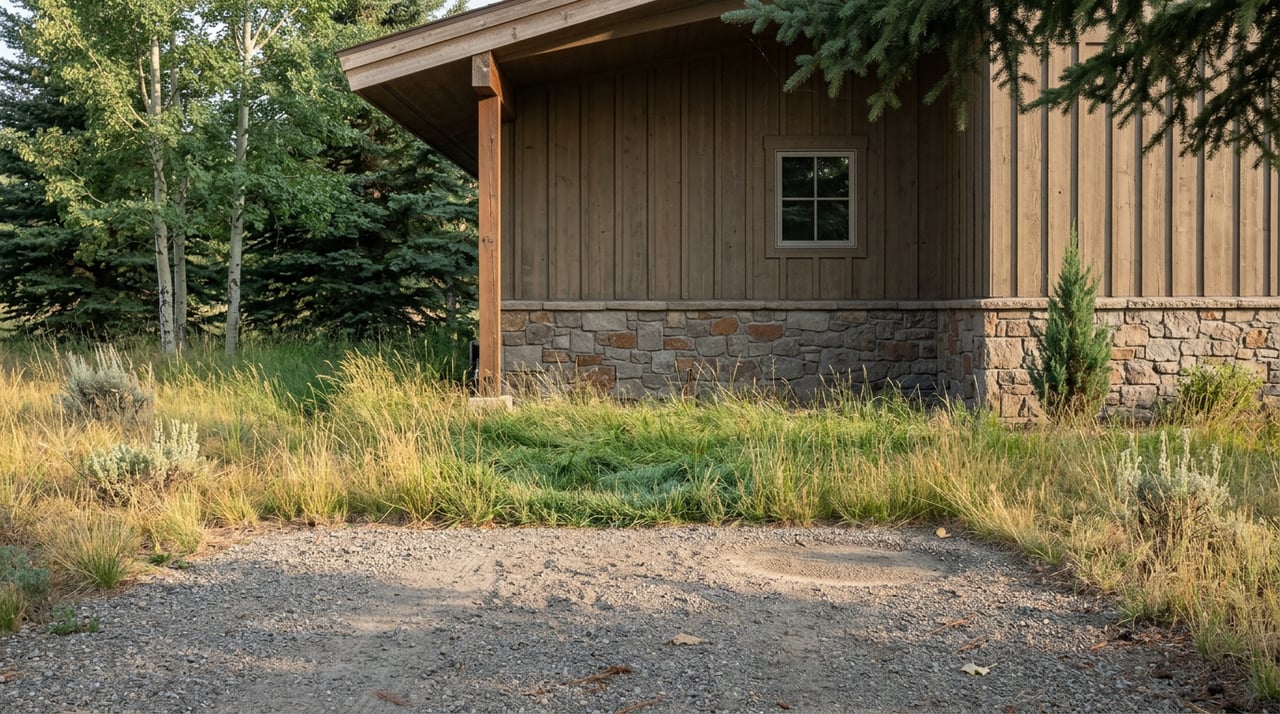
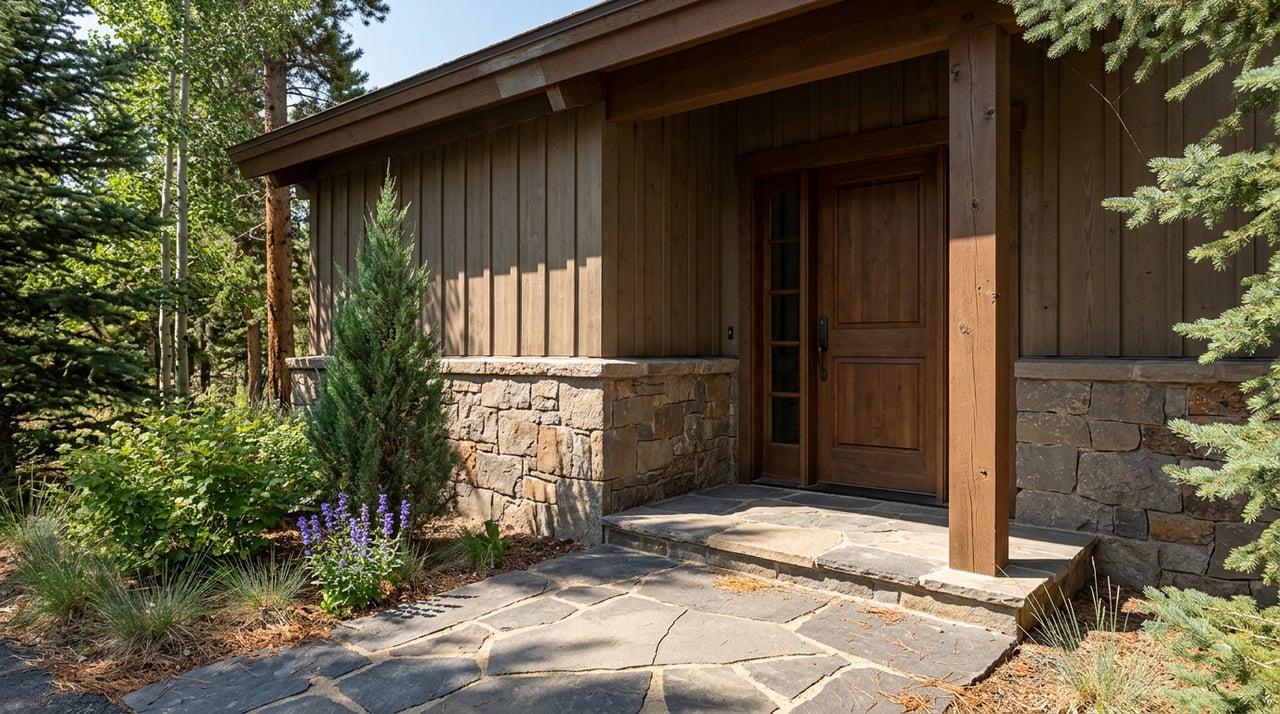
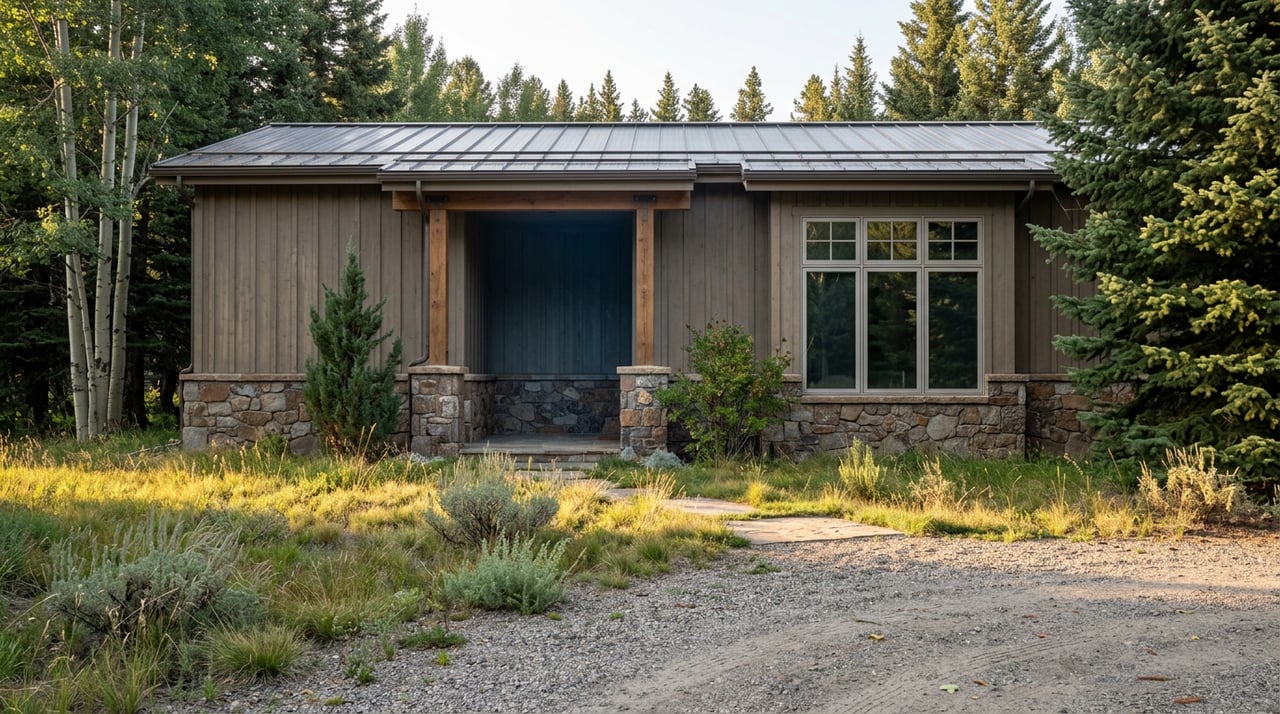
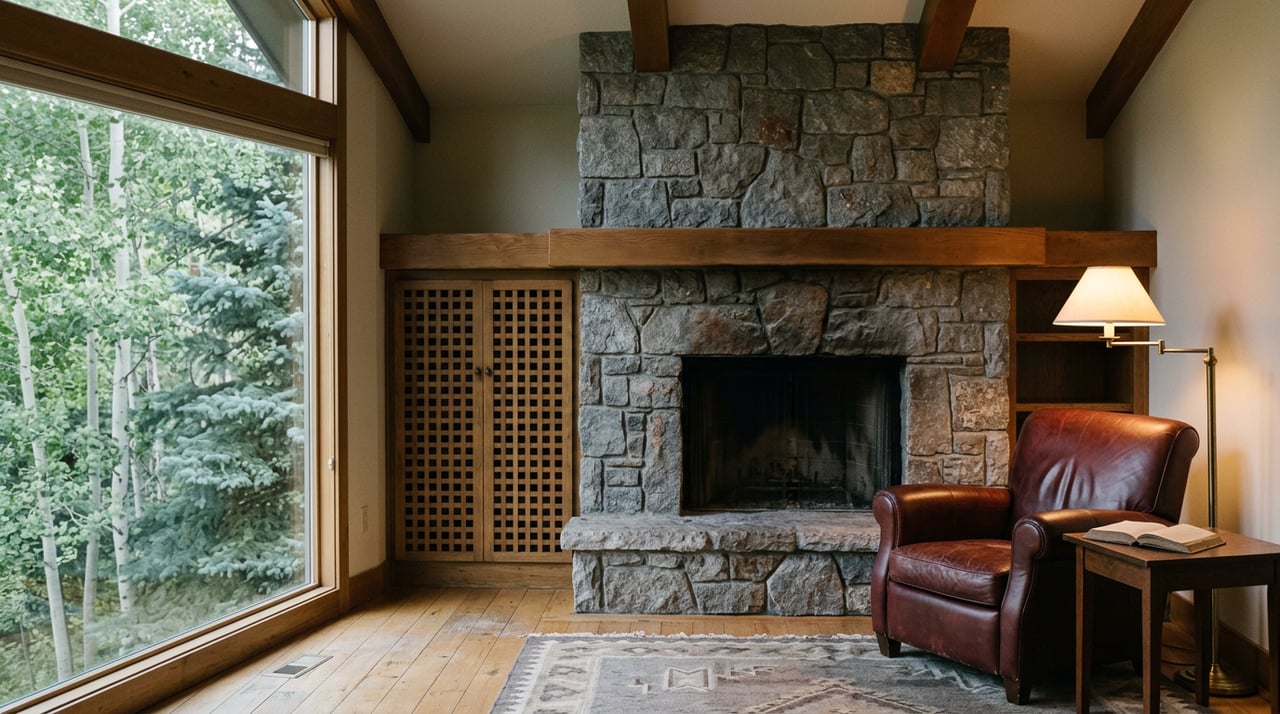
A $1,000,000 median in Alpine is not a compromise price for a lesser house. It is a real house, on real acreage, often newer construction, frequently with mountain frontage or river access, in a state with no income tax and a median effective property tax rate of 0.53% at the county level. The same dollar amount in the Town of Jackson buys a two-bedroom condo, and in Wilson or Teton Village it is a fractional interest at best.
The shape of the Alpine inventory reinforces the point. Active-listing averages in June and July 2026 ran between $1.76M and $1.84M, well above the January closing median. That gap tells a specific story: sellers at the top of the Alpine market are pricing toward a Jackson-adjacent buyer profile, while the median transaction still clears at a Star Valley price. In Star Valley Ranch just south, the median sold price of $511K in the three months ending May 2026 was down 11.2% year-over-year, with days on market climbing to 121. Alpine's own days on market sat near 170 in January 2026, up from 195 the prior year.
Read together, those numbers point to a two-tier market inside a single ZIP. Move-up buyers arriving from Teton County underwrite the top tier and set list prices. Local and regional buyers clear the middle. The canyon determines which tier a given listing lands in.
The Supply-Side Half of the Story
Star Valley's price ceiling has always been softer than Jackson Hole's because the land constraint is different. Teton County is roughly 97% federal land. Lincoln County has more privately held, developable acreage per square mile and fewer conservation overlays. As one Star Valley brokerage put it in a recent market summary, the valley "does not have the development limitations that have led to an explosion in Jackson Hole's real estate prices," and "land is plentiful in Star Valley," which "can lead to more drastic swings when market conditions change."
Put that alongside the canyon and the pricing behavior stops looking mysterious. Alpine has elastic supply and inelastic access. Jackson Hole has inelastic supply and, most of the year, elastic access via WY-22, US-191, and the airport. The Alpine discount is what the market pays a buyer to absorb the difference in access risk.
How Canyon Risk Shows Up in a Transaction
For a buyer moving from out of state, the canyon shows up in places the listing photos never mention.
Commute assumptions. Google Maps quotes the Alpine-to-Jackson drive at about 36 to 40 minutes in fair weather. That number is accurate roughly nine months a year. From late November through early April, it is a planning fiction. Any buyer relying on daily Jackson access for work, school, or medical care should model at least a dozen delayed or cancelled trips per winter and budget lodging accordingly.
Insurance and inspection. Homes on the Alpine side of the canyon are underwritten in Lincoln County, not Teton, and carriers price wildfire, wind, and access risk differently. Wildfire exposure is significant on both sides of the canyon; a rigorous defensible-space walkthrough during inspection is worth more than any generic report.
Tax-residency math. Wyoming's 183-day residency threshold is the same in Alpine as it is in Wilson, and Alpine's carrying costs are a fraction of Teton County's. For a buyer whose primary goal is establishing legal Wyoming residency for asset-protection or state-tax purposes, the canyon commute is a nine-month problem, not a twelve-month one, and Alpine's lower assessed values keep the annual bill dramatically lower than the Teton County median tax load.
Rental cash flow. The Alpine short-term rental pool competes with the Snake River Sporting Club corridor and the Palisades Reservoir/Greys River recreation traffic more than with the Teton Village ski-in/ski-out pool. The seasonal curve peaks in summer, not winter. That is the opposite of Teton Village's curve, and it changes both the underwriting and the property-management story.
Comp reading. Because the top of the Alpine market is priced to a Jackson-adjacent buyer, appraised value and closed comps can diverge more than in a purely local market. Working with an agent who runs both sides of the canyon regularly is not optional at the upper price tiers.
FAQ
Is the canyon closed often enough that it should change my decision? It closes fully several times per winter, and partially or with delays considerably more often. Whether that changes the decision depends entirely on how many of your obligations sit north of Hoback Junction on a fixed schedule. Retirees and remote workers absorb the risk cheaply. Families with weekday Jackson commitments do not.
How does Alpine compare to Teton Valley, Idaho, as a Jackson-adjacent alternative? Teton Valley trades one mountain pass for another. Teton Pass on WY-22 has its own well-documented closure history and a substantial 2024 reconstruction. Alpine avoids the pass but adds the canyon. Neither is a free lunch; they are different risk profiles priced into different markets.
Are Alpine prices likely to close the gap with Teton County over time? The supply-side answer is no, because Lincoln County can add inventory in a way Teton County cannot. The demand-side answer depends on remote-work durability and on whether WYDOT's canyon mitigation work materially reduces closure frequency. Both trends are worth watching; neither has resolved.
Alpine rewards the buyer who reads the canyon accurately and prices it into the decision on the front end. If you are weighing an Alpine purchase against a Teton County one and want a candid read on the trade-offs, JH Living works both sides of the corridor every week. Let's Connect.